
Histamines and Digestive Health
Histamine is a neurotransmitter produced by pathogenic bacteria in the gut. Normally, histamine is broken down naturally by an enzyme diamine oxidase.
0 Comments
April 3, 2018

Histamine is a neurotransmitter produced by pathogenic bacteria in the gut. Normally, histamine is broken down naturally by an enzyme diamine oxidase.

Exploring the theory that these figurines began as a form of self-representation by women. When examined, this proposal becomes so compelling the question is, Why did it take so long to consider the logical possibility that a female point of view was involved?

Bacteria colonise our guts in the womb, where they begin to shape our immune systems and influence our risk of disease.

Oxalic acid is the most acidic organic acid in body fluids and is used commercially to remove rust from car radiators. Antifreeze (ethylene glycol) is toxic primarily because it is converted to oxalate.
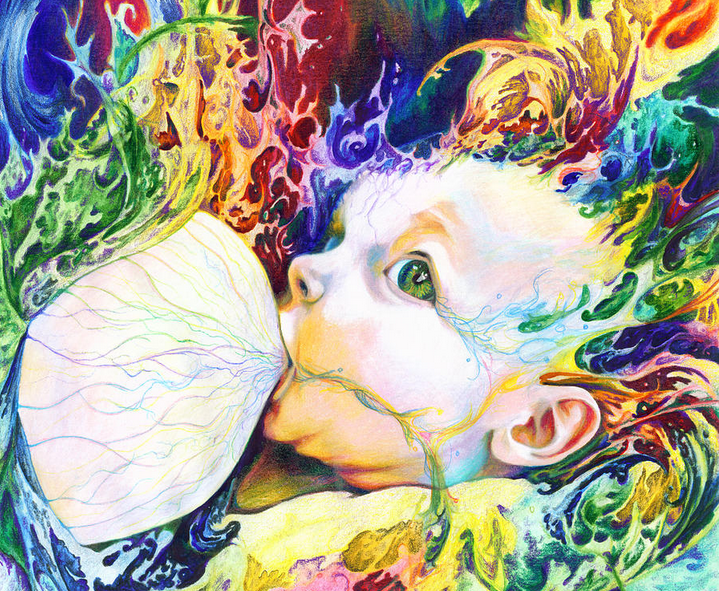
“Based on the sum of evidence it is time to overturn the sterile womb paradigm and recognize the unborn child is first colonized in the womb,” Seth Bordenstein.

It is reckoned that at 21 weeks, foetuses can discern full-on flavours using their senses of smell and taste "amniotic fluid is a complex 'first food'."

20 percent of what they had assumed to be just dust or other particles was alive. Earth, it seems, is surrounded by a bubble of bacteria.

Babies receive antibodies specific to the mother's intestinal pathogens. Antibodies in the mother's gut travel to the mammary gland and enter the milk supply. A mother's gut bacteria also travel to the mammary gland and enter her milk supply.

Turmeric is known to be one of the most powerful healing herbs. It is great for bones and joints as it has anti-inflammatory properties.

Indigeo Holley demonstrates how to make a raw milk tzatziki while discussing the current issues around consumption of raw milk in Canada
0 items in your cart ($0.00)