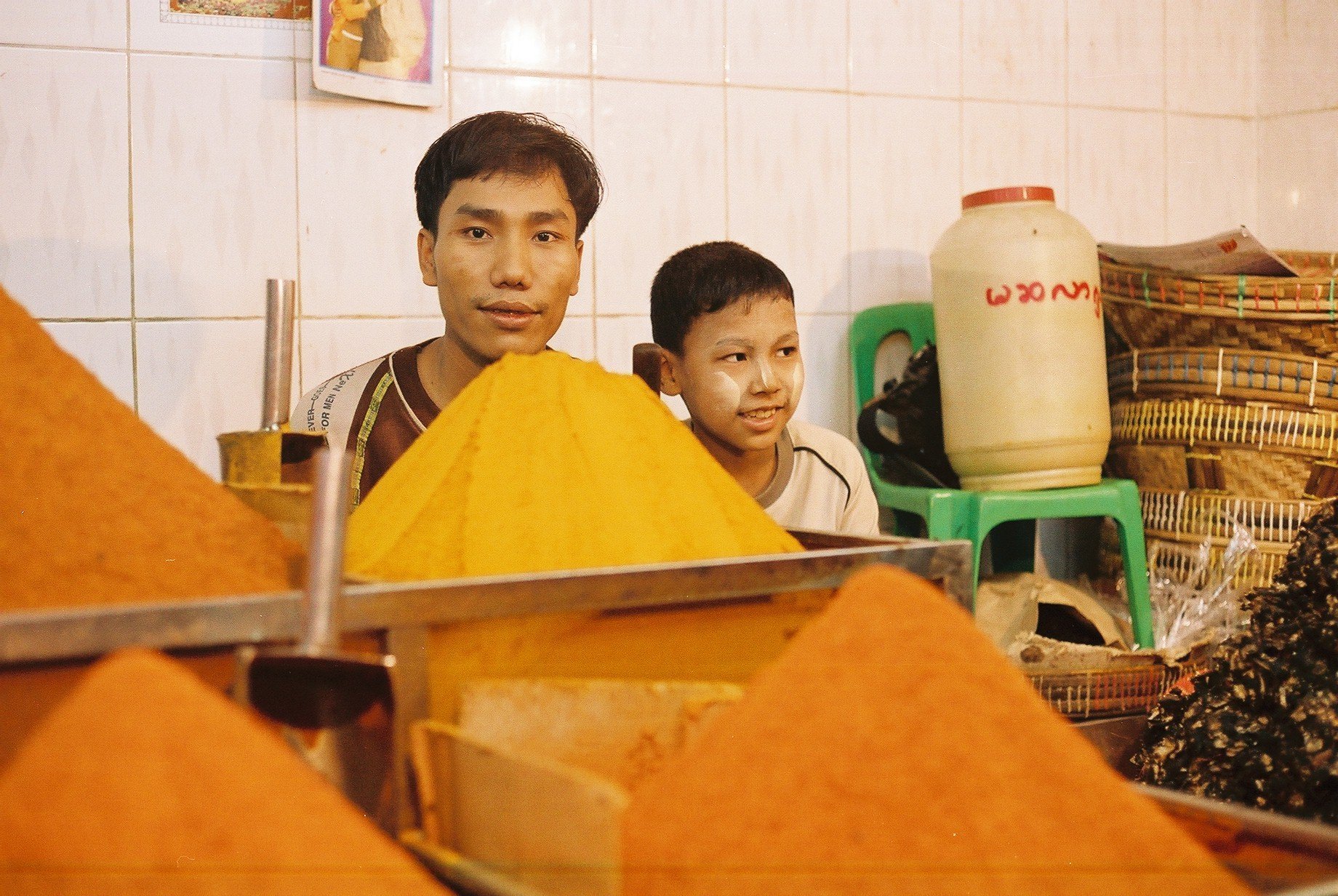
My favorite market in Yangon is the Indian Spice market which is on 26th St and Anawratha, and there I love to buy thick honey-rich sandalwood oil, turmeric, fragrant sandalwood beads, freshly ground whole wheat flour and blocks of beeswax. An old friend hangs around his buddies spice stall, and always is excited to see me. (pictured) More information here.…
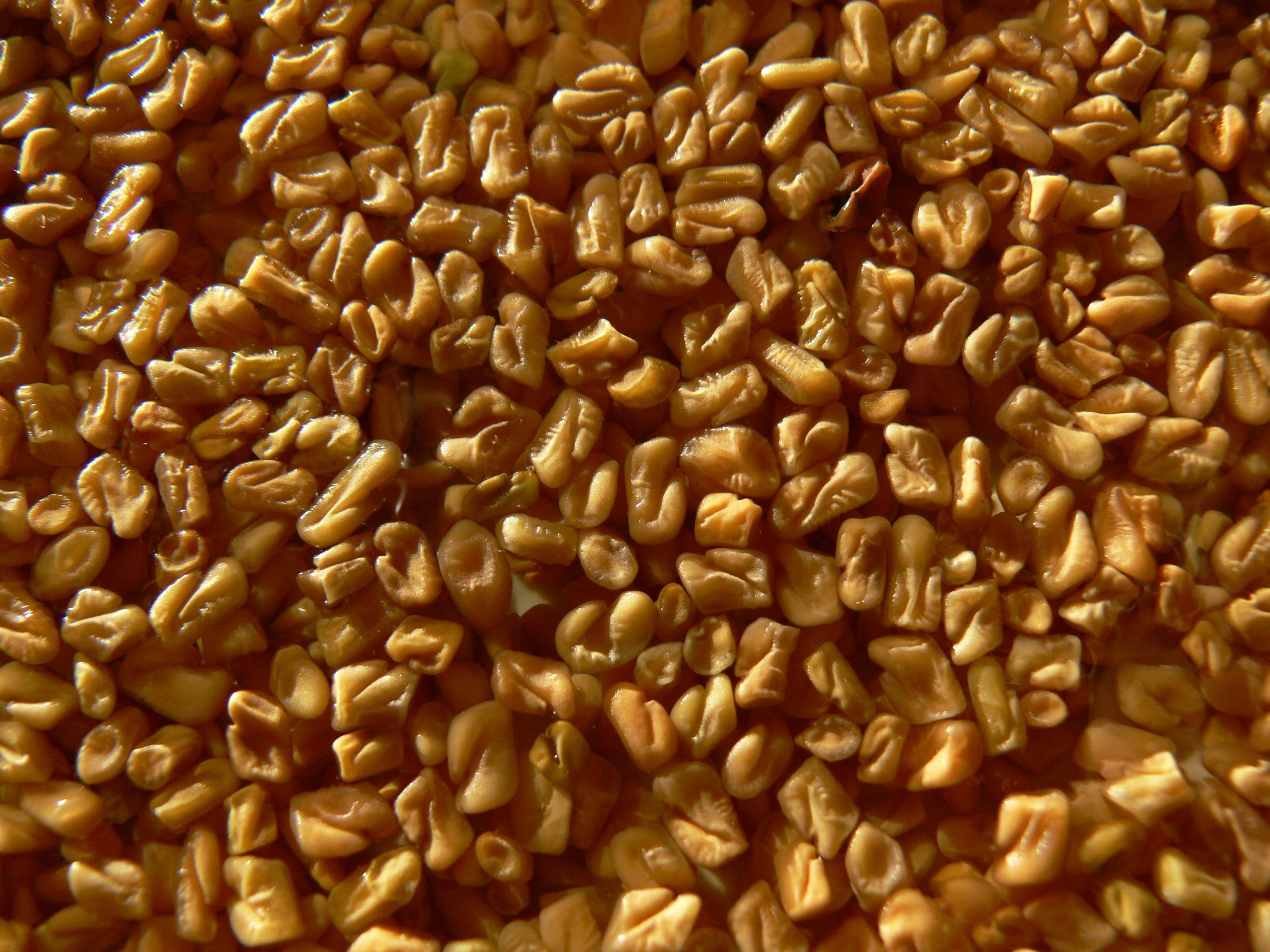
An interesting property of fenugreek is it's affinity for certain wild yeasts, which are beneficial to the digestive tract as well as being useful in the fermenting process of making traditional dosas or idlis, by attracting wild yeasts to the batter. Fenugreek is a great adaptogen.
Published in the column A Flirtation With Herbs in Healthy Options Magazine, New Zealand, April 2009 I was away for much of the summer, helping my sister with her newest addition to the family. As a result, my balcony garden didn't do so well. My spaghetti squash died, my nasturtiums were killed in an aphid infestation, my calendula was ravaged…
The ancients believed all knowledge was transmitted from the gods via the lacy branches of fennel. This plant family forms a bridge between ether and earth, and may be the reason that fennel is used to assist digestion and balance the nervous system.
Turmeric turns everything it comes in contact with gold, not only your fingers, clothes and countertops but your health as well. It is a very powerful antioxidant, very good for your digestive system, micro-flora and much, much more.
I found this handwritten recipe in one of the many second hand community cook-books I search through for old-fashioned traditional recipes.
Whole oranges
Whole cloves
Powdered orris root
Ground cinnamon
Method: Select firm oranges. Stick cloves into orange skin, until rind is all covered. Roll orange in equal parts orris and cinnamon. Pat in as much powder as orange will take.
VJR is a fabulous Burmese-Indian chef who makes tasty seafood samosas with this freshly made masala. Amounts given are not precise, feel free to adjust them according to your taste and needs. 1/2 c yellow or brown mustard seeds 1/4 c fenugreek 1 T cardamom Method: These spices can be toasted in a dry pan and ground in a spice…
VJR the Burmese-Indian chef who taught me this recipe made the best samosas faster than anyone I have ever seen. This spice mix is used for mutton, pork, chicken, vegetables or beef and is not used with seafood.
Method: Put all the spices in a dry pan and roast over the flame until the smell begins to come up and the spices are lightly toasted. Remove from heat and allow the spices to cool. Grind them into a powder in a spice blender.
The Carrot Family (Umbilliferae): Plants of the Airy Element
Symbolising: Love, Well-Being and Intelligence
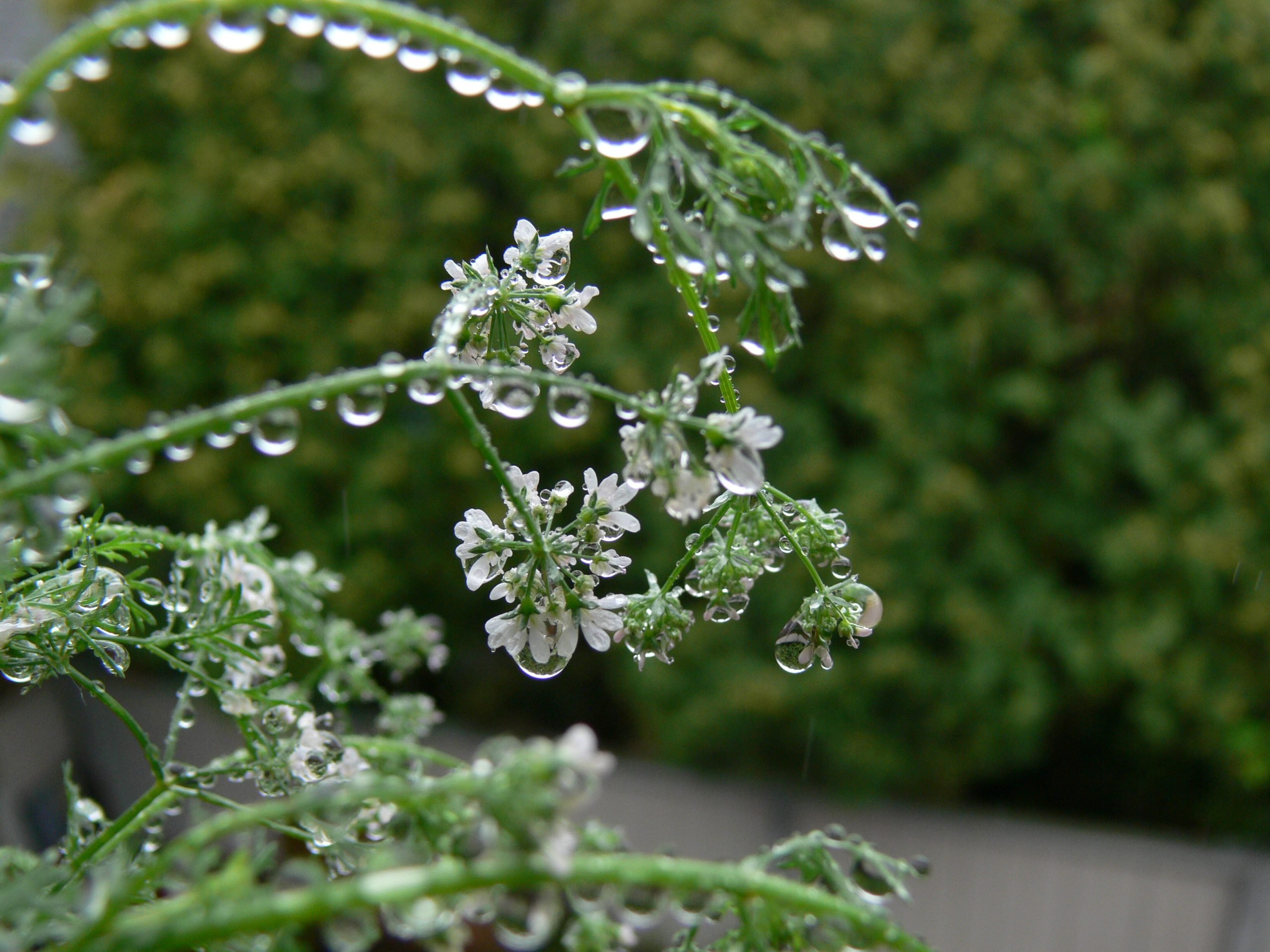
In the United States the fresh plant is called cilantro and the tiny dried fruit is called coriander. In many other parts of the world both plant and seed are called coriander.
Random Tidbits (not necessarily factual)
One of the longest recorded histories of all the spices-one of the medicinal plants mentioned in the Medical Papyrus of Thebes (written in 1552 BC)
According to Pliny: “the best (Coriander) came from Egypt,”and from thence no doubt the Israelites gained their knowledge of its properties.
When the Children of Israel were nourished by manna in the wilderness they claimed it was…”as coriander seed.” And the people went about, and gathered it, and ground it in mills, or beat it in a mortar, and baked it in pans and made cakes of it ; and the taste of it was as the taste of fresh oil.”
Coriander is an ingredient in absinthe
Used to be made into a coriander ale as the volatile oils are extracted more readily by alcohol than water.
In 17th century Paris-it was the principal ingredient in Eau de Carnes a concoction used as liqueur or a cologne.
The Africans are said to have called this herb by a similar name goid, which Gesenius derives from a verb gadad, signifying ‘to cut,’ in allusion to the furrowed appearance of the fruit.
Originally in the northern countries of Europe, the chief consumption of coriander seed was in flavoring certain alcoholic liquors (gin). For which purpose it was largely grown in Essex.
Veterinary surgeons employ it as a drug for cattle and horses.
The Chinese believed the seeds had the power of conferring immortality.
Turner says (1551): “Coriandre layd to wyth breade or barly mele is good for Saynt Antonyes fyre”
Fruits and leaves posses totally different flavor and cannot be used as substitute for each other.
It’s name (Greek koris) means bug and it has been used planted around gardens to repel bugs (it can also be made into a spray for bug repellent).
Re-establishes harmony between the functions of blood and nerves and therefore cheers up and satisfies heart and mind.
Was grown in the Hanging Gardens of Babylon.
If used too freely the seeds become narcotic.
The Hungarians called it cig¡nypetrezselyem “gypsies’ parsley”


 (Wilmington, North Carolina)